

Research News
-
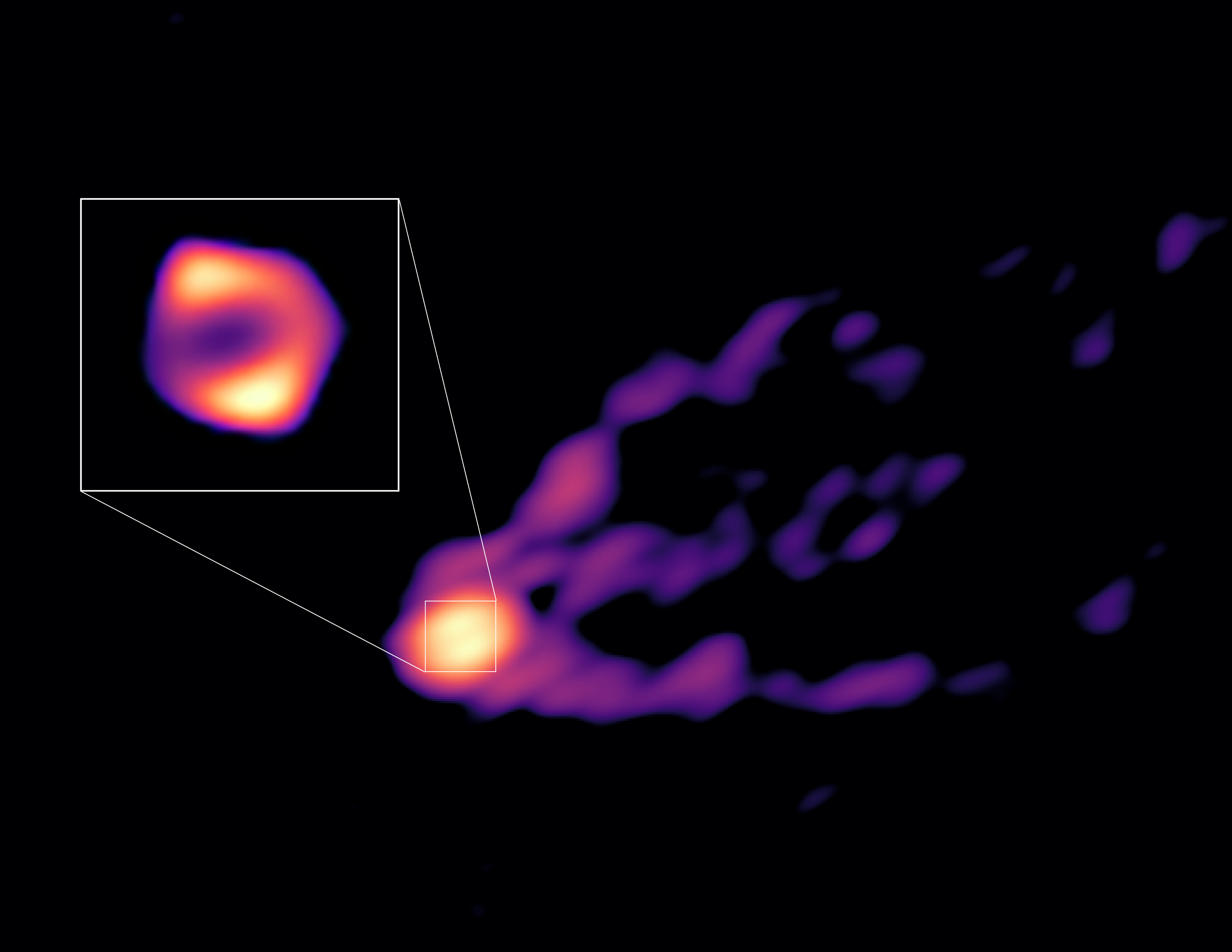 Astronomers image for the first time a black hole expelling a powerful jetAn international team of scientists led by Dr. Ru-Sen Lu from the Shanghai Astronomical Observatory (SHAO) has used new millimetre-wavelength observations to produce an image that shows, for the first time, both the ring-like structure that reveals the matter falling into the central black hole and the powerful relativistic jet in the prominent radio galaxy Messier 87. The image underlines for the first time the connection between the accretion flow near the central supermassive black hole and the origin of the jet. The new observations were obtained with the Global Millimetre VLBI Array (GMVA), complemented by the phased Atacama Large Millimetre/submillimetre Array (ALMA) and the Greenland Telescope (GLT). The addition of these two observatories has greatly enhanced the imaging capabilities of the GMVA. The results are published in the current issue of Nature.Apr 27, 2023
-
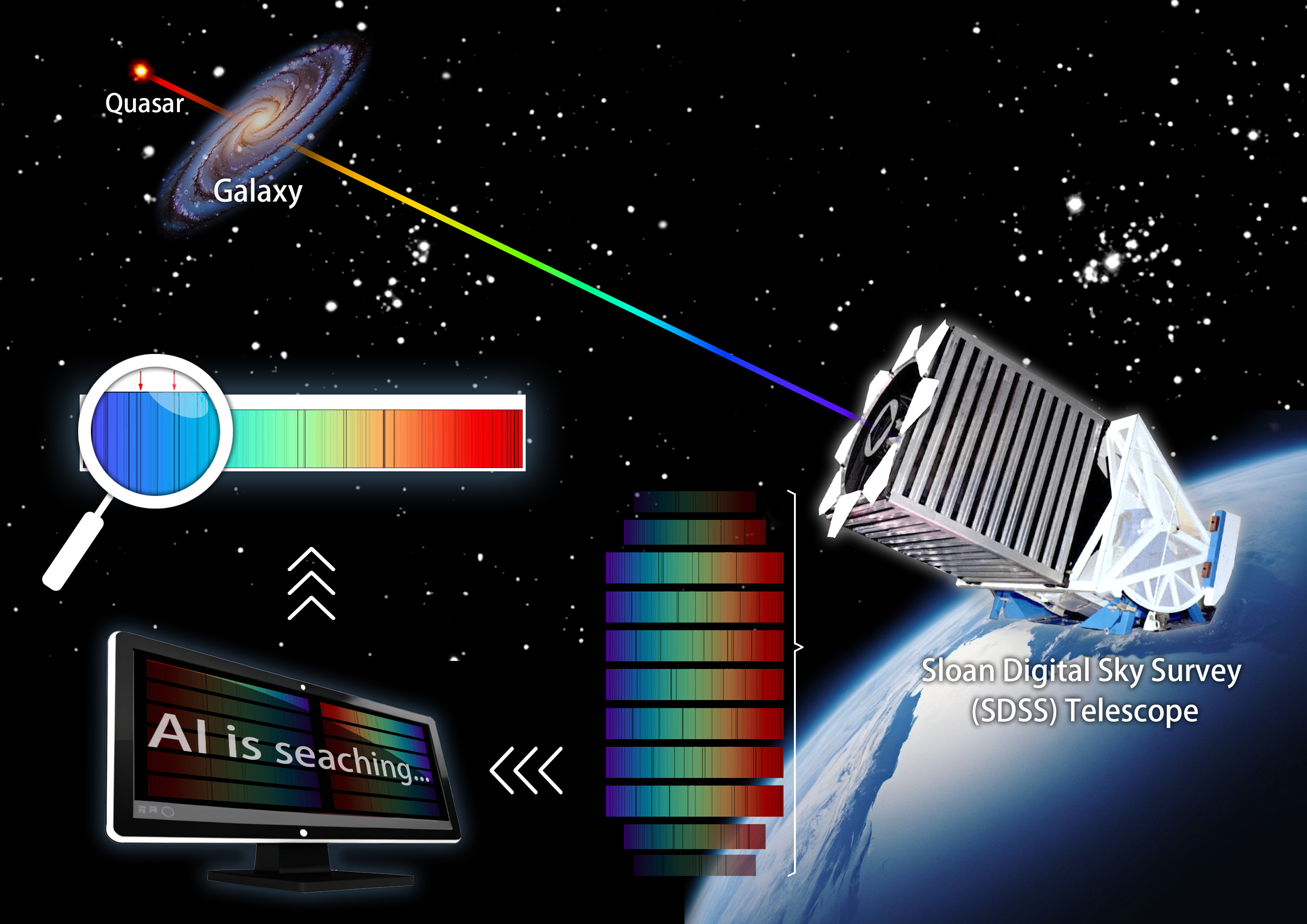 “Hunting for Treasures” with AI: Astronomers Detected Rare Neutral Atomic-carbon Absorbers with A Deep Neural NetworkThis study highlights a groundbreaking discovery of weak neutral carbon absorption lines in quasar spectra from early galaxies, observed through the Sloan Digital Sky Survey with the aid of an AI-driven deep neural network. This marks the first time such technology has been employed to detect these features. The study of these absorption lines indicates that these early galaxies experienced rapid physical and chemical evolution soon after the universe’s formation. This finding independently supports observations made by the James Webb Space Telescope (JWST) in July 2023, suggesting that some galaxies evolve significantly faster than previously believed. These discoveries pose a challenge to existing models of galaxy formation and evolution, potentially requiring a reevaluation of our current understanding of how galaxies develop over time.May 15, 2024
-
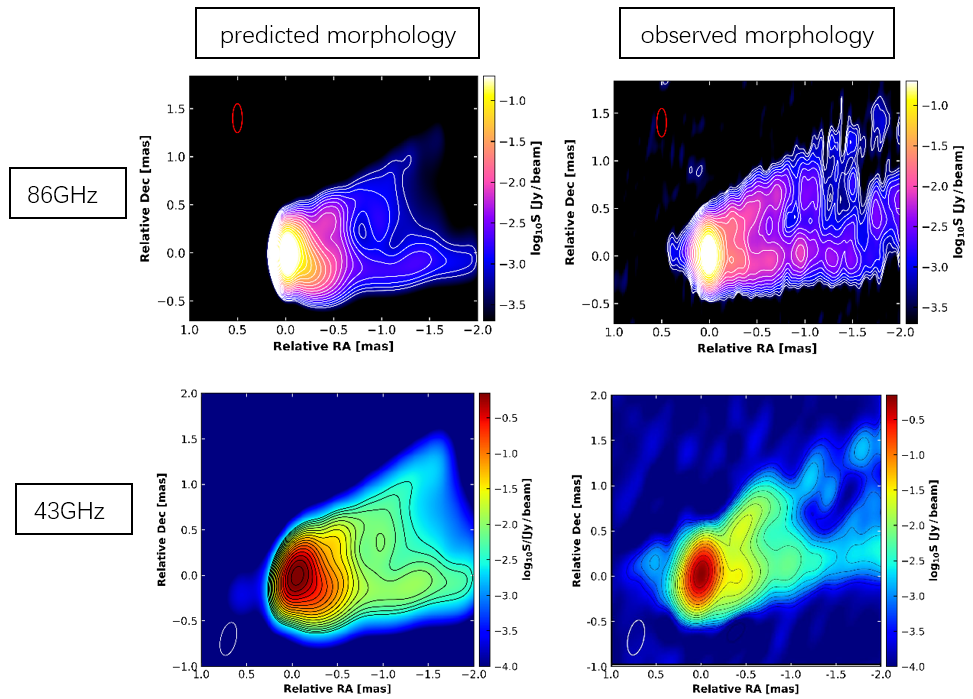 Researchers Prove Validity of Black Hole Jet Formation ModelAn international team led by Dr. YUAN Feng from Shanghai Astronomical Observatory, CAS investigated the validity of the two main models of black hole jets by calculating the radiation predicted by these models and comparing it with observations of the M87 jet, and found that the "extraction of black hole rotational energy" model accurately predicted the observed jets, while the other "extraction of accretion disk rotational energy" model struggled to explain the observational results.Mar 25, 2024
-
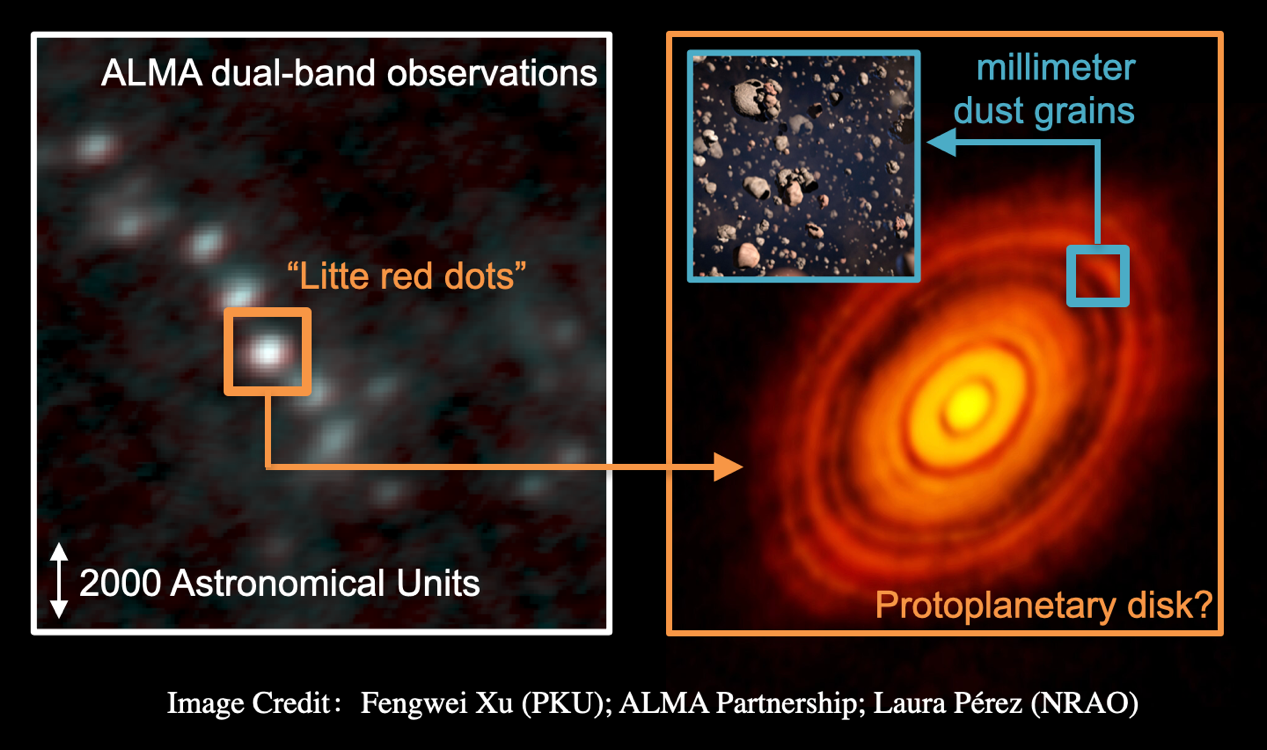 Astronomers discover hundreds of protoplanetary disk candidates in the Galactic Center using ALMA's dual-band observationsAn international team of researchers from the Kavli Institute for Astronomy and Astrophysics at Peking University (KIAA, PKU), the Shanghai Astronomical Observatory (SHAO), and the University of Cologne (UoC), along with several collaborating institutions, has conducted the most sensitive, highest-resolution, and most complete survey to date of three representative molecular clouds in the Milky Way’s CMZ. Their observations revealed over 500 dense cores—the sites where stars are being born.May 19, 2025
-
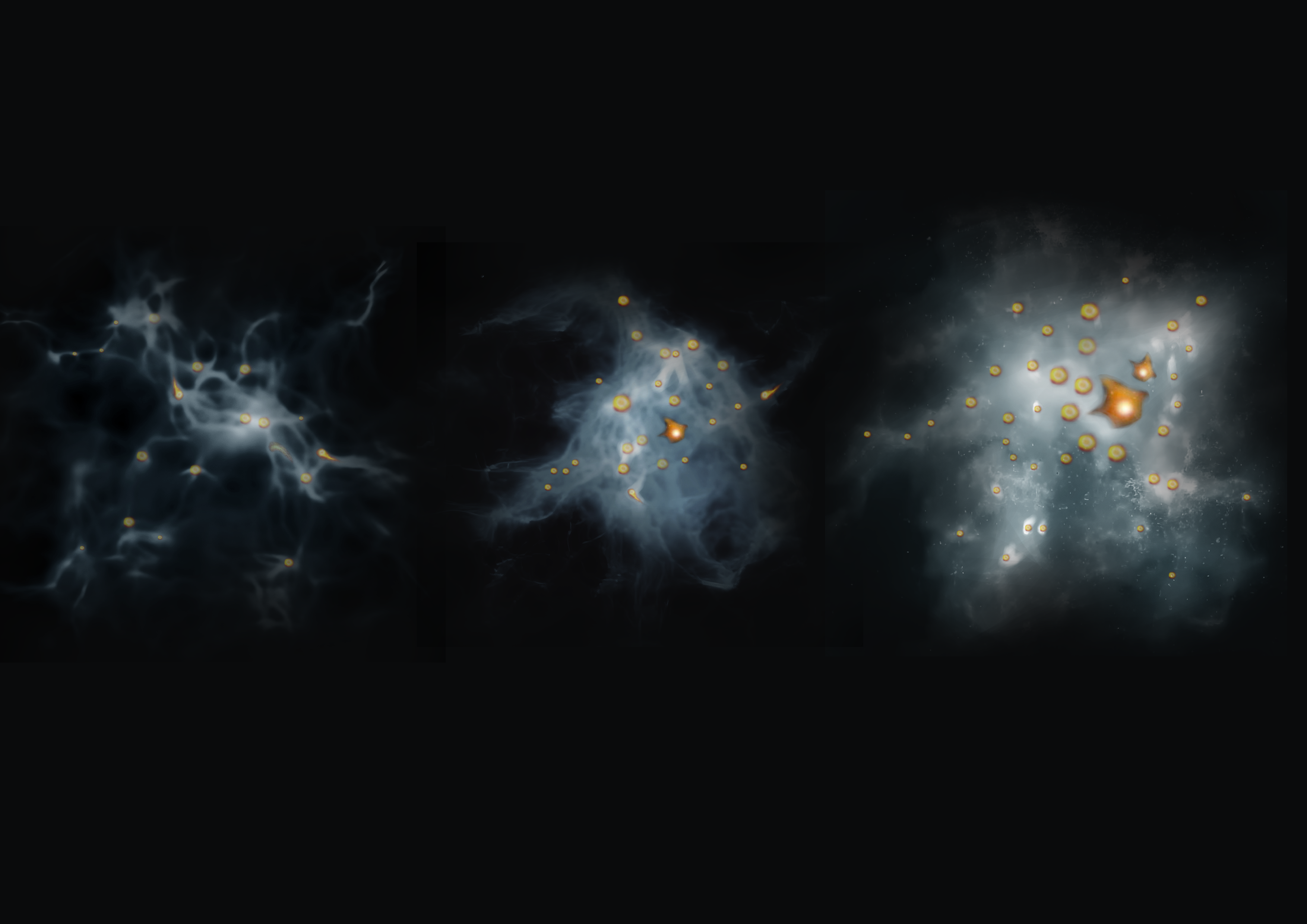 Researchers Reveal Dynamic View of Massive Protocluster Evolution by ALMAThe origin of stellar clusters is the key mystery in astronomy. Now with the best submillimeter interferometry telescope ALMA, scientists are tracing back their baby stage—protostellar clusters, depicting their complete and dynamic formation and evolution scenario.Jan 19, 2024
-
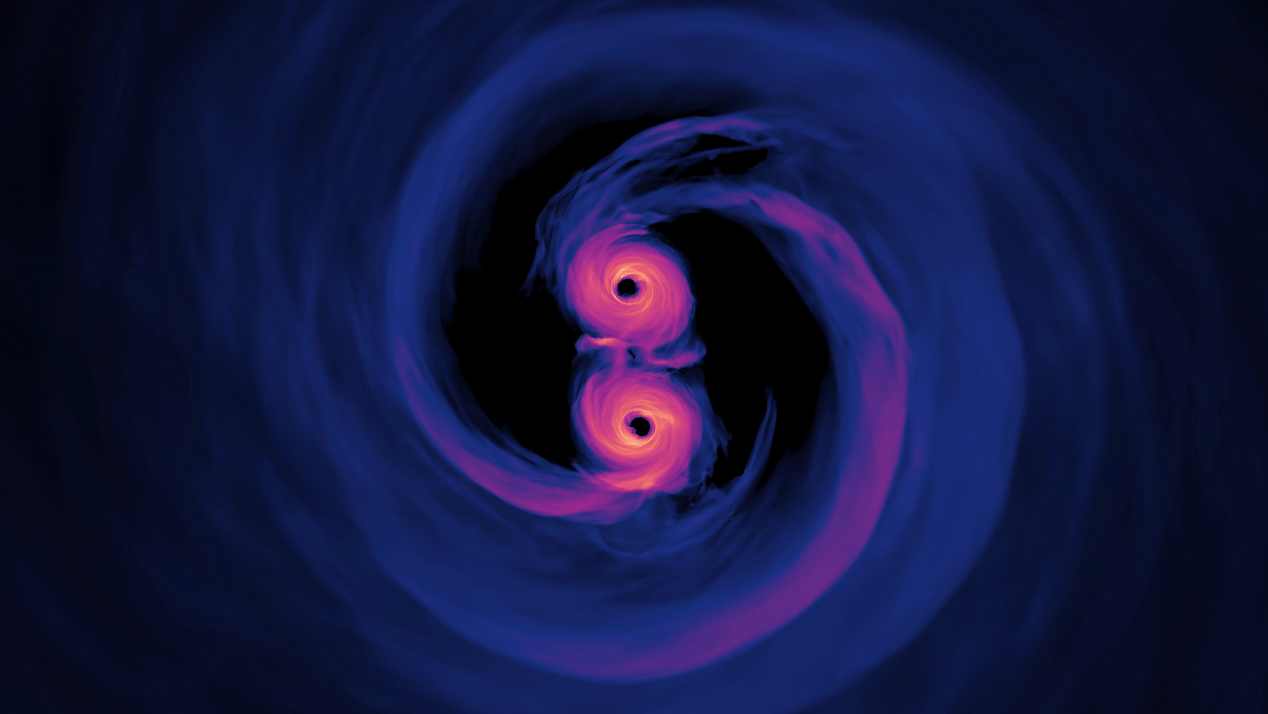 From Searching for Binary Black Holes to the Nuclear Rings of Gravitational Resonance —— Every Cloud has a Silver LiningA research team from the Shanghai Astronomical Observatory of the Chinese Academy of Sciences has used data from the SDSS MaNGA project to conduct a study on the origins of double-peaked narrow emission-line characteristics in galactic centers. This study found that these emission lines are not only related to binary black holes but may also originate from mechanisms such as rapidly rotating gas disks and AGN outflows. In 2024, this team's statistical analysis showed that double-peaked lines are associated with galactic bars, AGN, and interactions, with the phenomena related to bars being the most common. They further revealed that the nuclear rings in barred spiral galaxies can lead to symmetrical double-peaked features in 2025. This achievement deepens the understanding of galactic center structures and provides important references for the search for binary black holes.Sep 25, 2025
-
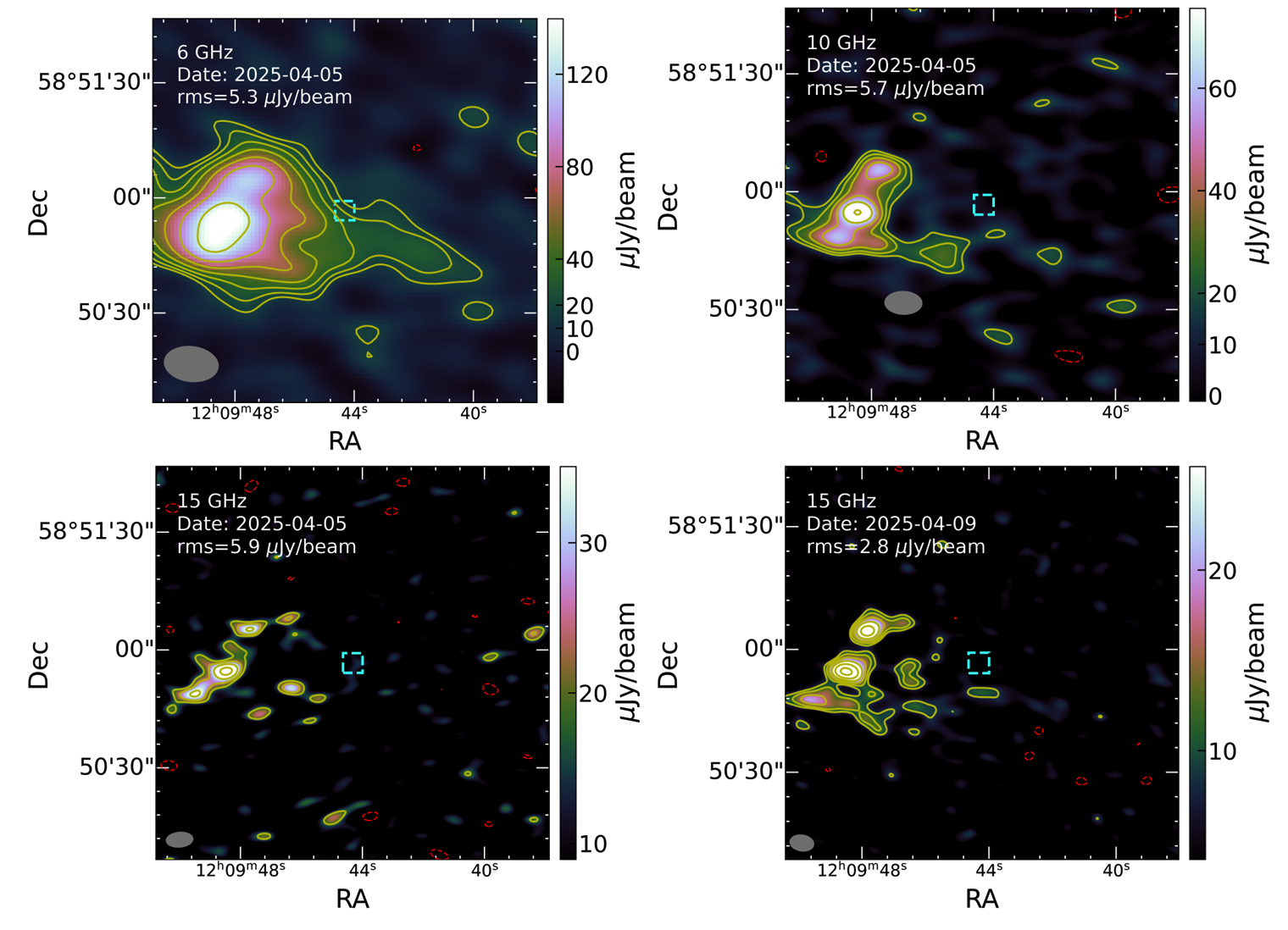 Non-Detection of Persistent Radio Source Places Tightest Constraints Yet on Non-Repeating FRB OriginsA joint research team from the Shanghai Astronomical Observatory of Chinese Academy of Sciences, and the University of Science and Technology of China used the Very Large Array to search for potential persistentradio emissionfrom FRB 20250316A, one of the brightest non-repeating bursts ever detected. The results, published in The Astrophysical Journal Letters, provide a stringent upper limit yet on persistent radio emission from a non-repeating FRBs.Sep 20, 2025
-
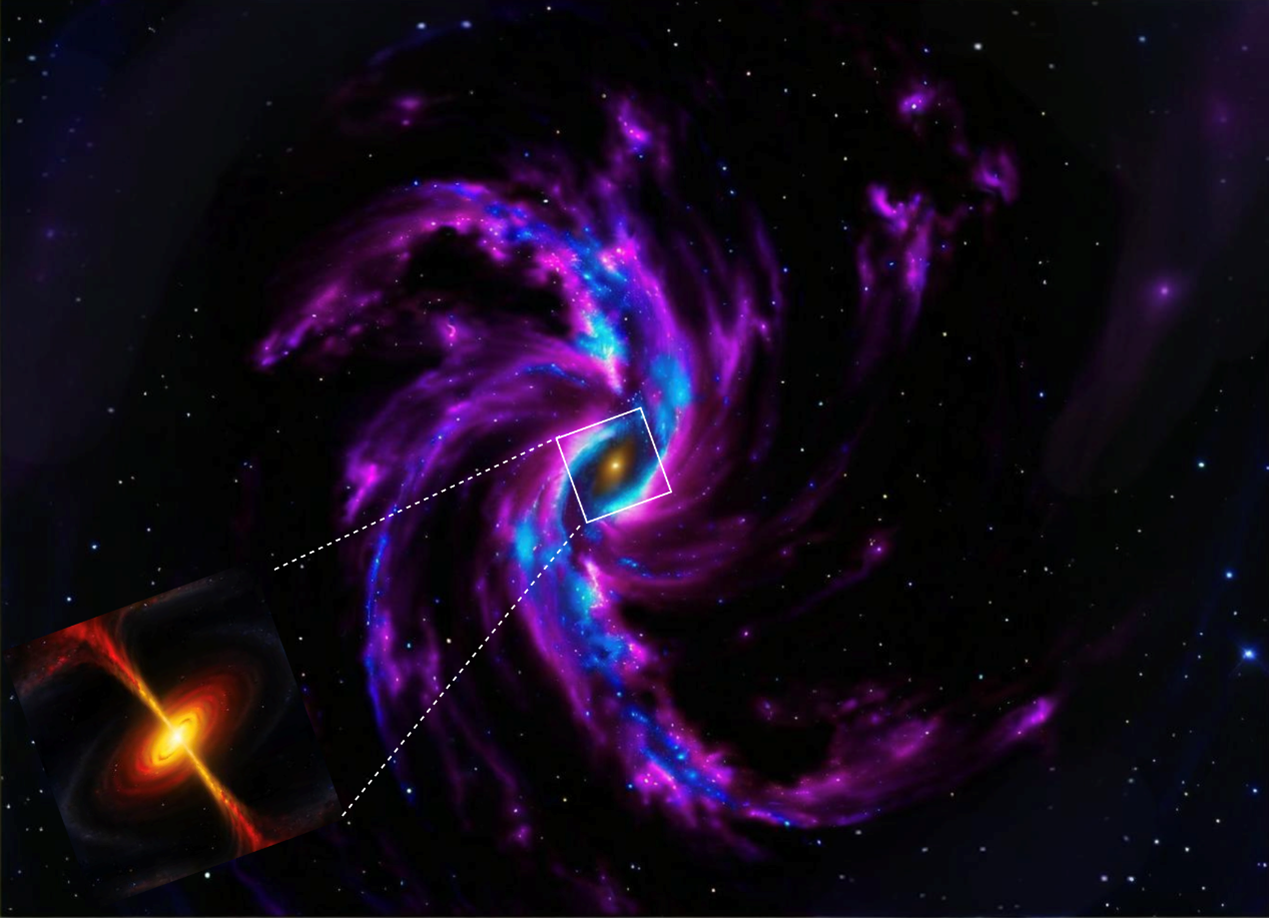 Scientists Reveal Process of Gas Accretion in Massive Star FormationResearchers from the Shanghai Astronomical Observatory (SHAO) of the Chinese Academy of Sciences have revealed for the first time how gas flows from vast distances toward the disk surrounding a nascent massive star in the process of star formation.Sep 18, 2025
-
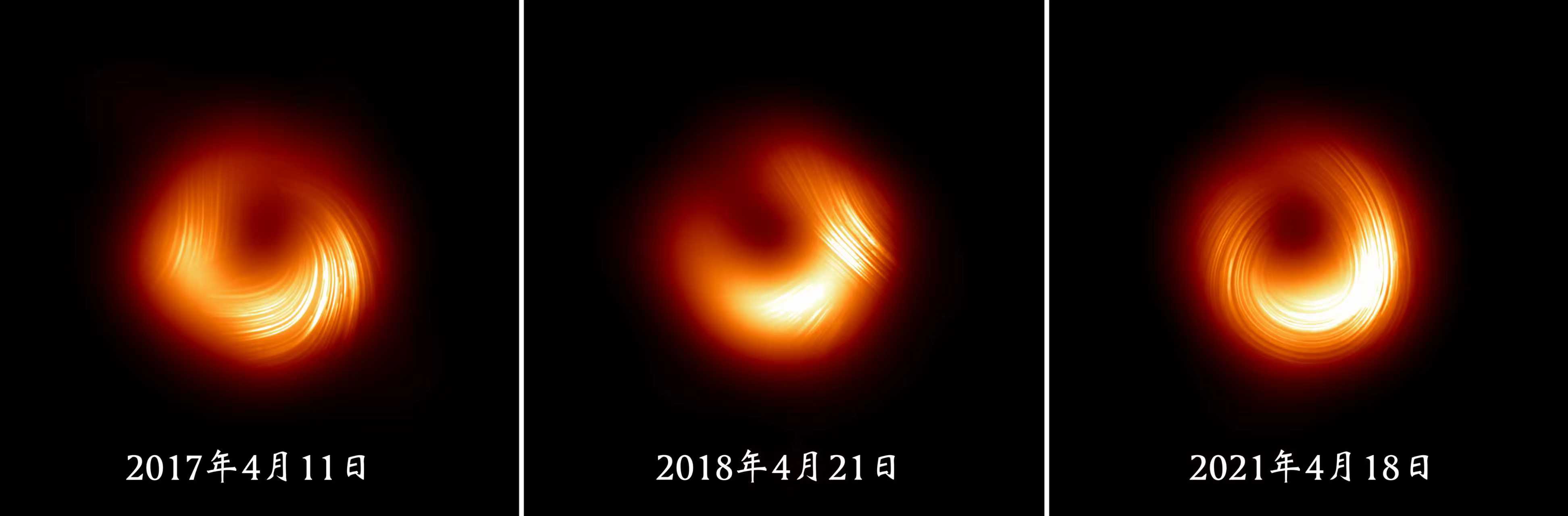 New EHT Images Reveal Unexpected Polarization Flips at M87*Sep 16, 2025
-
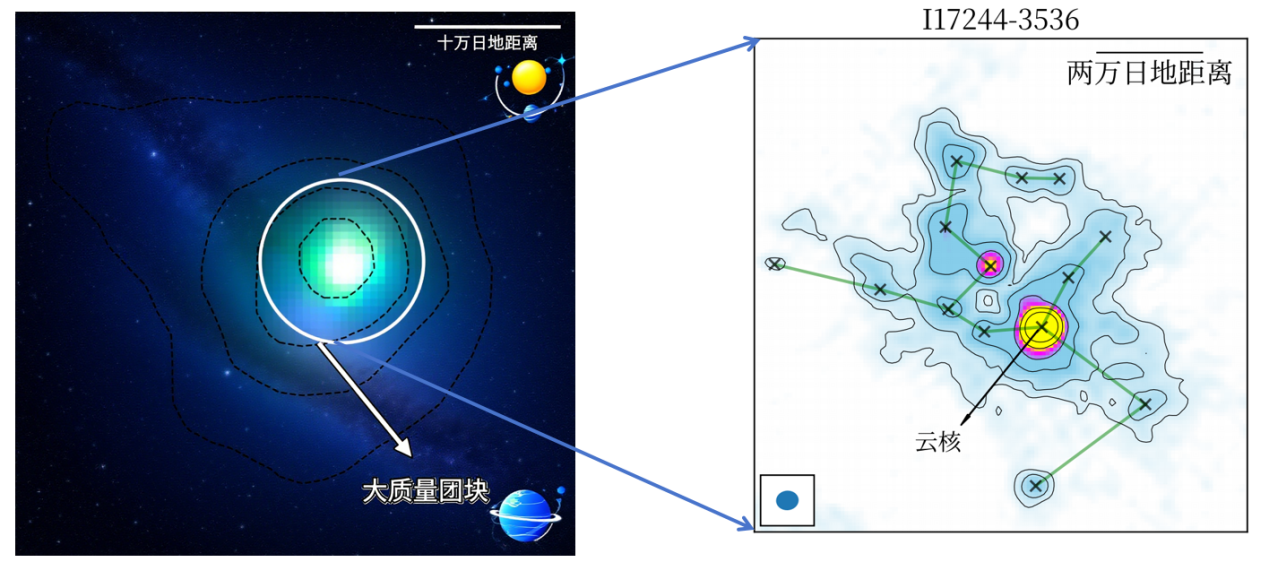 Unveiling the Universe's Star-Forming Factories: Latest Observational Findings on the "Fragmentation Code" and "Growth Mystery" of High-Mass Star FormationRecently, a collaborative team from Yunnan University, Shanghai Astronomical Observatory, Chinese Academy of Sciences, and the University of Chile, among other domestic and international institutions, has revealed new observational evidence unraveling the mystery of massive star birth. The related findings have been published in the international academic journal The Astrophysical Journal Supplement.Sep 10, 2025


