

Research News
-
 Astronomers Capture a Black Hole’s “Dinner Plate” Being WarpedA research team led by the Shanghai Astronomical Observatory (SHAO) of the Chinese Academy of Sciences has conducted high-resolution observations on the microquasar GRS 1915+105 with the East Asian VLBI Network (EAVN). The findings were published online on March 25, 2026, in The Astrophysical Journal Letters.Apr 09, 2026
-
 TMRT reports first confirmation that magnetars' radio-active phase evolves reproduciblyRecently, the Tianma Radio Telescope (TMRT) team at the Shanghai Astronomical Observatory (SHAO) of the Chinese Academy of Sciences, leveraging the telescope’s unique "dual-band simultaneous observation" capability, conducted simultaneous observations of the magnetar XTE J1810−197 at 2.25 GHz and 8.60 GHz over a span of more than 2,100 days. The team precisely characterized the evolution of the magnetar’s radiation and rotation during its latest radio-active phase, and found striking similarities with its previous radio-active phase, thereby conclusively answering the question: "Can the evolutionary patterns of a magnetar’s radio-active phase be reproduced?" The relevant findings were recently published in the international academic journal SCIENCE CHINA Physics, Mechanics & Astronomy (Volume 69, 2026).Apr 03, 2026
-
 Deciphering the Origin of Equatorial Jets on Gaseous GiantsA research team from the Planetary Physics and Magnetohydrodynamics Group, in collaboration with scientists from the Earth's Rotation Variation Group at the Shanghai Astronomical Observatory, Chinese Academy of Sciences, has achieved a significant breakthrough in the study of atmospheric dynamics on gaseous giants. For the first time, they have proposed a new mechanism driving prograde equatorial jets (where wind direction aligns with the planet's rotation). This mechanism transcends the limitations of traditional theories regarding atmospheric dynamic processes, revealing the direct regulatory role of deep interior magnetohydrodynamic waves on atmospheric circulation. It offers a fresh perspective for understanding the atmospheric dynamics of gaseous giants. The findings were published online on March 27, 2026, in The Astrophysical Journal Letters, a leading journal in the field of astronomy.Mar 31, 2026
-
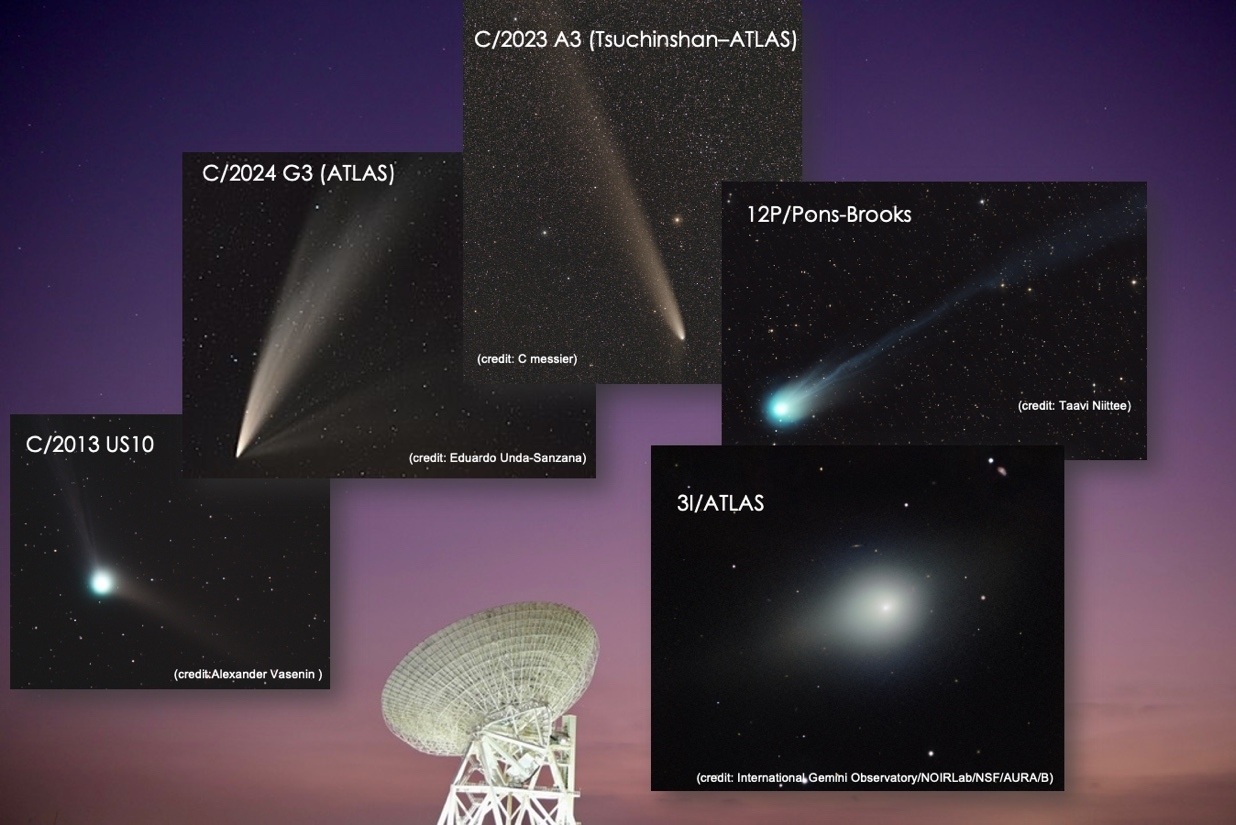 Tianma Telescope Reveals Dominant Contribution of Ice Grain Sublimation in the Coma to Water Vapor Production of Interstellar Comet 3I/ATLASRecently, researchers from the Shanghai Astronomical Observatory of the Chinese Academy of Sciences conducted high-sensitivity radio observations of the interstellar comet 3I/ATLAS using the Tianma Telescope, marking the first observation of an interstellar object by this facility. The study reveals that this small body, originating from outside the solar system, released substantial amounts of water vapor and carbon monoxide as it approached the Sun. Notably, a significant fraction of this water vapor did not originate directly from the comet's nucleus, but rather from the secondary sublimation of icy grains within the coma. This discovery provides new critical clues for understanding the formation environments and volatile compositions of small bodies in other planetary systems. The relevant findings have been published in the Astrophysical Journal Letters under the title "Preperihelion Volatile Evolution of Interstellar Comet 3I/ATLAS Indicating Significant Contribution from an Extended Source in the Coma."Mar 18, 2026
-
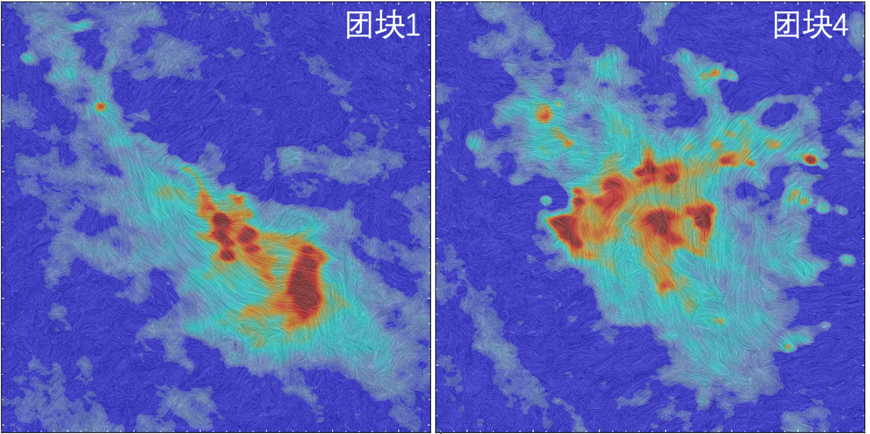 ALMA Observations Reveal: The Interplay Between Magnetic Fields and Gravity-A New Perspective on Star Formation in the Central Molecular ZoneA recent study using the Atacama Large Millimeter/submillimeter Array (ALMA) has provided new insights into the magnetic field structures within two massive clumps in the 20 km/s cloud of the Central Molecular Zone (CMZ) of the Milky Way. By combining high-resolution polarization observations from ALMA with previous data from the James Clerk Maxwell Telescope (JCMT) this work maps the magnetic field strength and orientation across different scales. The findings reveal the complicated interplay between magnetic fields, gravity, and turbulence, which collectively shape the star formation processes in these dense regions. The results have been published in the Astrophysical Journal (ApJ).Feb 26, 2026
-
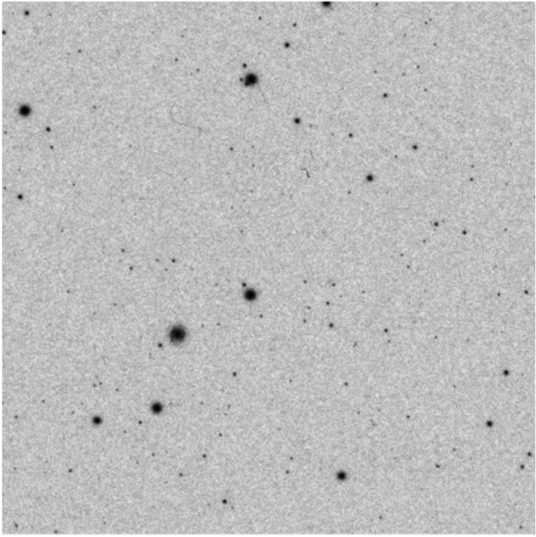 SHAO Provides Core Support for Global Astronomical Data Heritage PreservationRecently, researchers at the Shanghai Astronomical Observatory (SHAO), Chinese Academy of Sciences, published their findings on a newly developed high-precision plate digitization instrument in the international astronomical journal Publications of the Astronomical Society of the Pacific (PASP), under the title “A New Astronomical Plate Digitizer at Shanghai Astronomical Observatory.” This instrument achieves significant breakthroughs in both astrometric and photometric precision, offering critical technical support for the global effort to digitally rescue endangered historical astronomical plates and advance long-term time-domain astronomical research.Feb 24, 2026
-
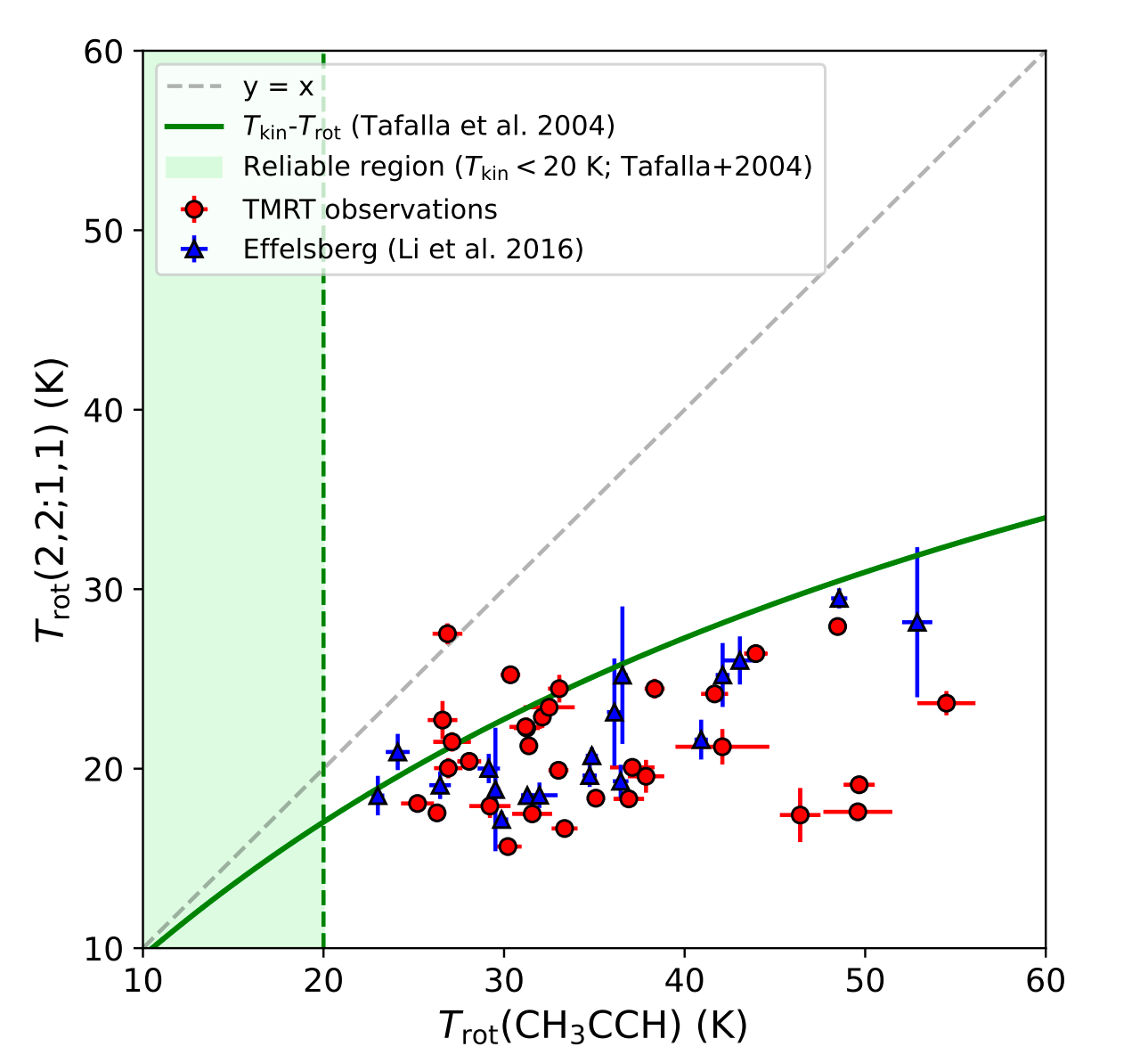 How do different molecules “measure temperature”? Tianma radio telescope offers new insights into warm molecular gasRecently, an international research team led by the Shanghai Astronomical Observatory (CAS), in collaboration with institutions from China, South Korea, and Europe, conducted a comprehensive observational study of massive star-forming regions in the Milky Way using the Shanghai Tianma Radio Telescope (TMRT) and the Spanish Yebes 40m radio telescope. The team confirmed that the traditional method of measuring molecular cloud temperatures using ammonia (NH₃) may underestimate the true values under high-temperature conditions (T > 20 K). In contrast, methyl acetylene (CH₃CCH) proved to be a more accurate tracer for the temperature variations of warm molecular gas (T = 20–100 K),these findings provide critical observational evidence for characterizing the physical conditions within star-forming regions.Feb 13, 2026
-
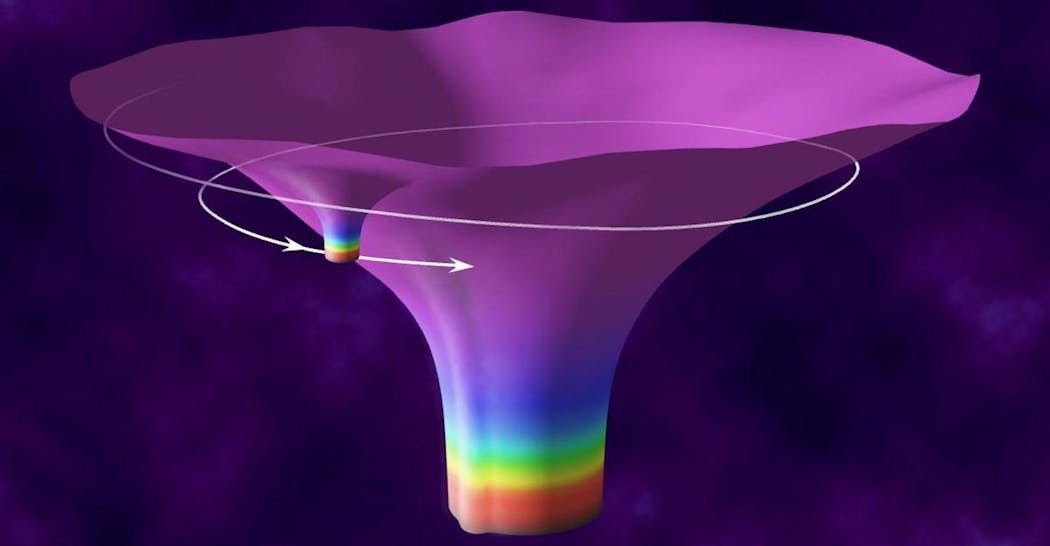 Shanghai Astronomical Observatory Makes Breakthrough in Gravitational Wave CalculationCurrently, Han's group has built a fully relativistic gravitational wave calculation model for asymmetric binary systems based on this new method, which is now the most precise and fastest fully relativistic waveform template. This template can be directly applied to data analysis for China's future space-based gravitational wave detection missions.Feb 02, 2026
-
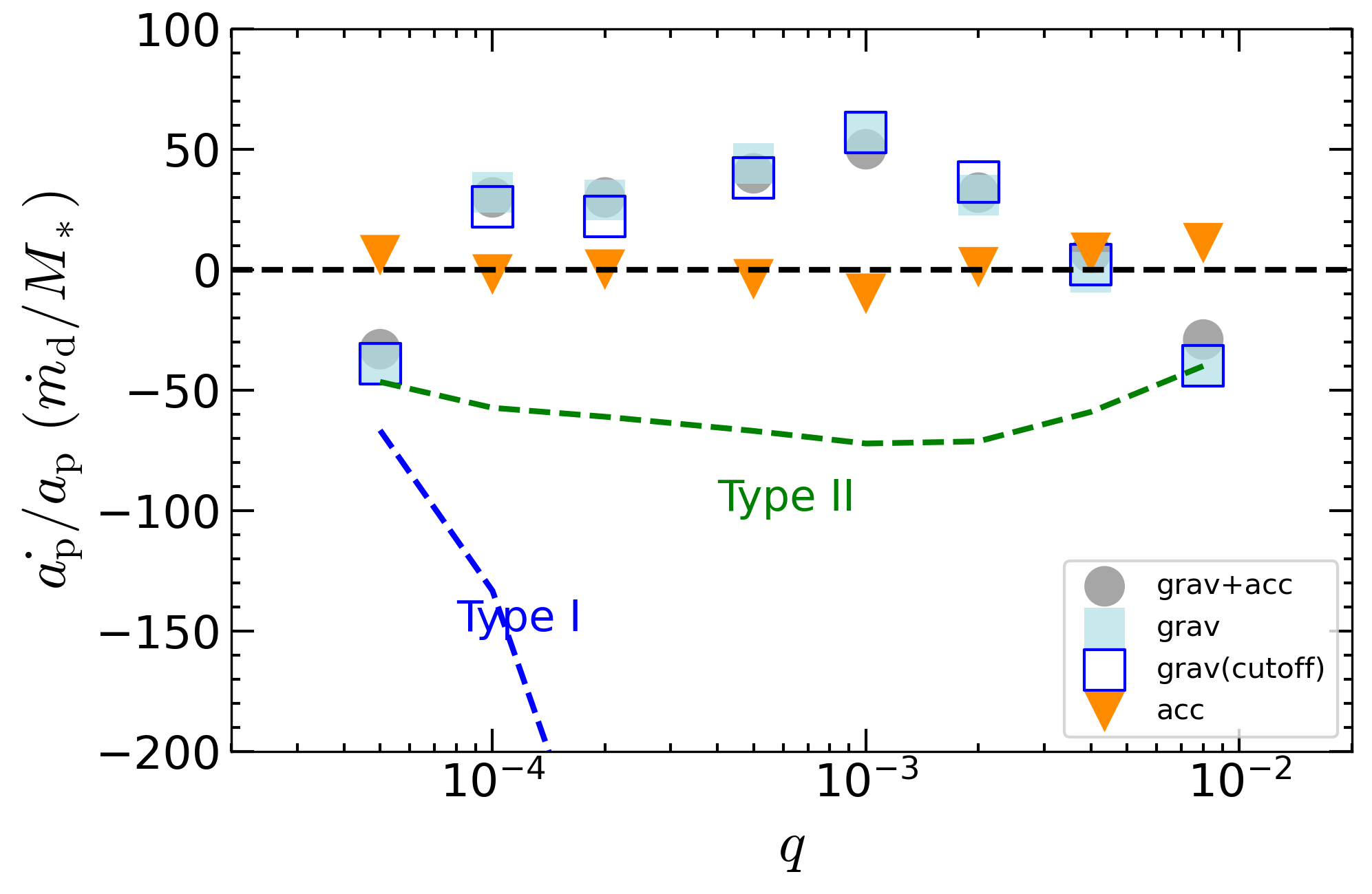 New Study Reveals the Accretion and Migration Processes of Giant Planet FormationRecently, a research team led by the Shanghai Astronomical Observatory of the Chinese Academy of Sciences, in collaboration with Princeton University, the Institute of Science Tokyo, and the University of California, Santa Cruz, has made significant progress in the study of planetary accretion and migration. The related work, titled “Concurrent Accretion and Migration of Giant Planets in their Natal Disks with Consistent Accretion Torque (II): Parameter Survey and Condition for Outward Migration,” has been published in the international astronomy journal The Astrophysical Journal, providing new insights into the formation of giant planets.Jan 22, 2026
-
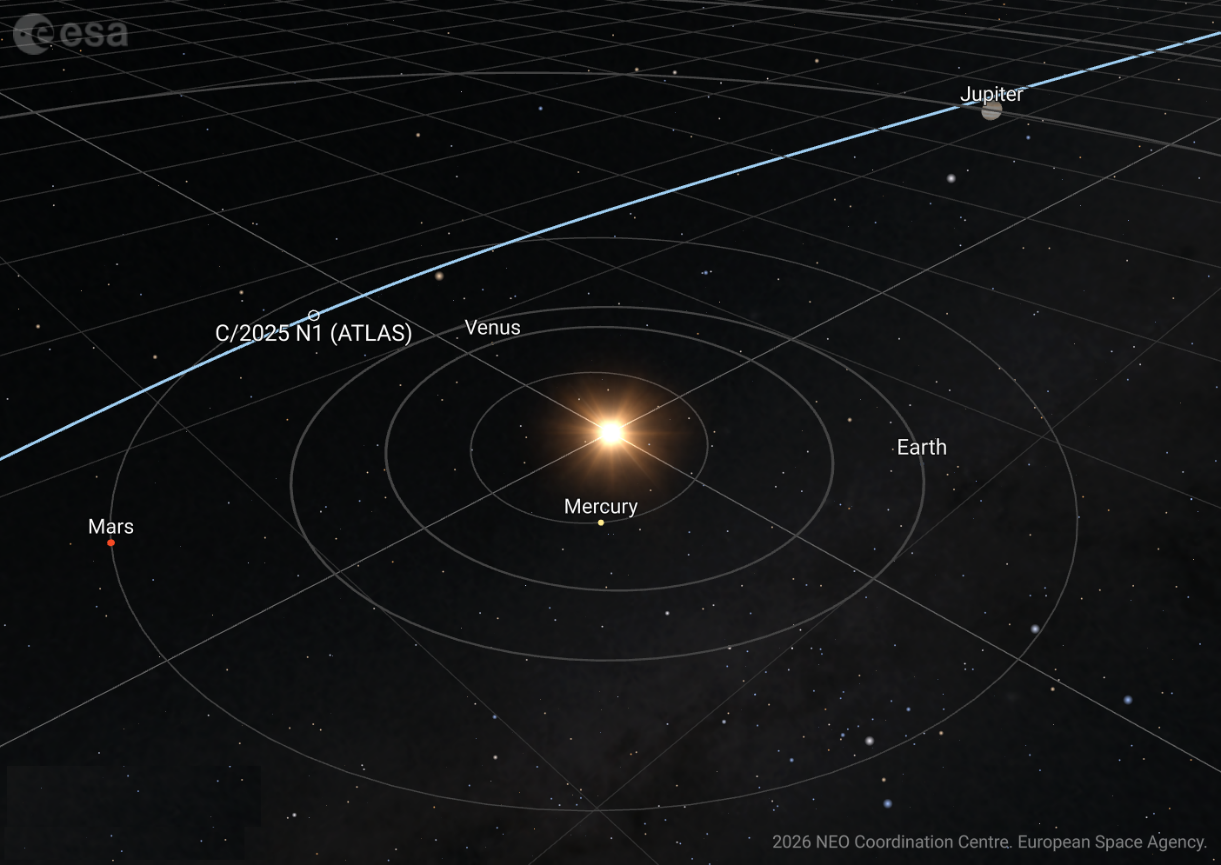 The Third Interstellar Object as an Inner Solar System Interloper: Possible Interactions with Native BodiesIts retrograde nearly ecliptic orbit (i ≈ 175°) combined with a relatively small perihelion distance (q ≈ 1.36 AU) effectively directs the interloper "against traffic" through the densely populated regions of the inner Solar System. This significantly increases the probability of close encounters and potential interaction (including collision) with native objects, specifically Main Belt and near-Earth asteroids. Researchers from Shanghai Astronomical Observatory, together with colleagues from Shanghai Jiao Tong University and the Main Astronomical Observatory of Ukraine, investigated this distinct dynamical scenario with publishing the results in the Astronomical Journal on January 19, 2026.Jan 22, 2026


